Toward the end of 2008, there was an unpopular multi-million dollar bailout by the government for the benefit of a single industry. No, I’m not talking about Wall Street, or the auto manufacturing industry, or insurance on obscure structured finance products. I’m talking about the Italian cheese market.
Back when the rest of the world’s politicians were stumbling over how to manage the global financial crisis, Italy enacted measures to help its cheesemakers. The government bought up 100,000 wheels of the highly touted parmesan cheese, along with 100,000 wheels of another popular cheese, grano padano. The reason? The wholesale price of these cheeses had fallen to €7-7,50/kg, below the production cost of €8-8,50/kg needed to make traditional parmigiano-reggiano cheese. And if the country’s signature cheese industry went under, what else would Italy have to offer? Mio dio! Thus, much parmesan was bought to help prop up the price and rescue Italy’s 430 or so parmesan cheesemakers. The food was subsequently donated to charity.
Now, you may be an Italian taxpayer or a mozzarella maker who is cheesed off about these interventionist government shenanigans, but all this goes to show that parmesan cheese is Kind of a Big Deal in Italy. In 2009, just under 3 million wheels of the stuff were produced, for sales totaling € 1.533 billion. For an industry that claims to be comprised of only small-scale, artisanal cheese producers, these numbers are nothing to sneeze at.
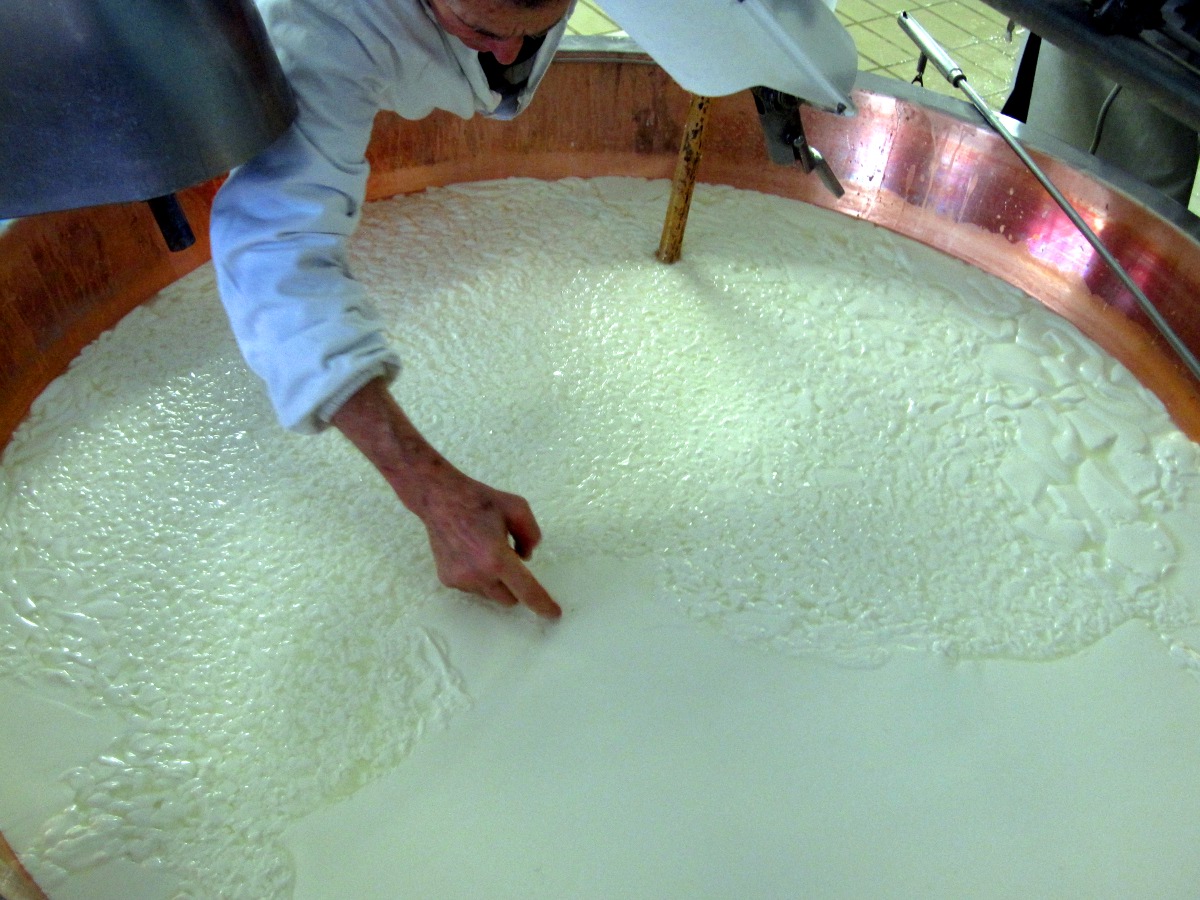
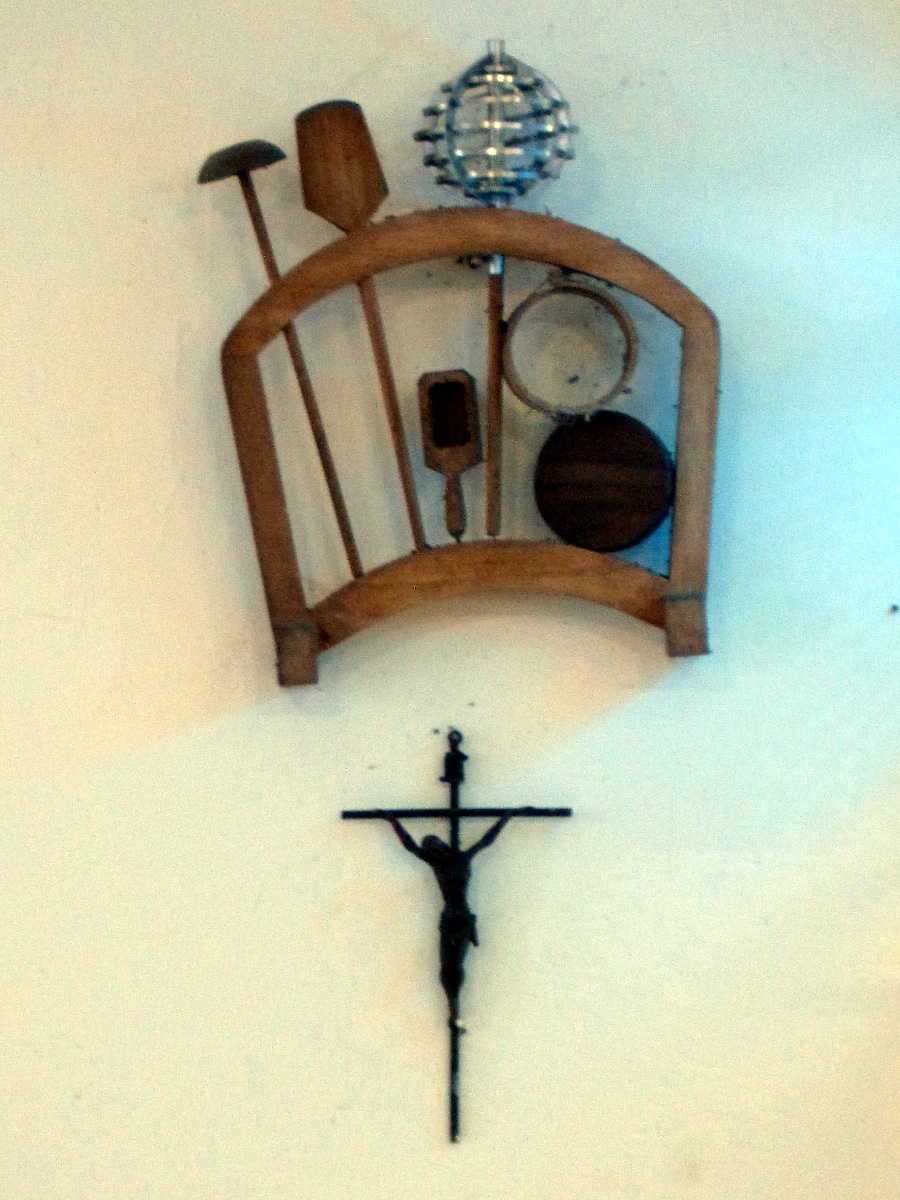
For one intense, parmanently-scarring day, we toured a cheese-making factory, aging warehouses, a dairy farm, and attended a presentation on the marketing of parmesan by the Consortium of Parmigiano-Reggiano producers. At Caseificio San Salvatore, everyone ogled from a catwalk above master cheesemaker Benito Cavalli, as he stirred the vast copper tanks of milk. He used a spino, or ball-shaped whisk to break up the cheese curds and make sure the milk was heating evenly.
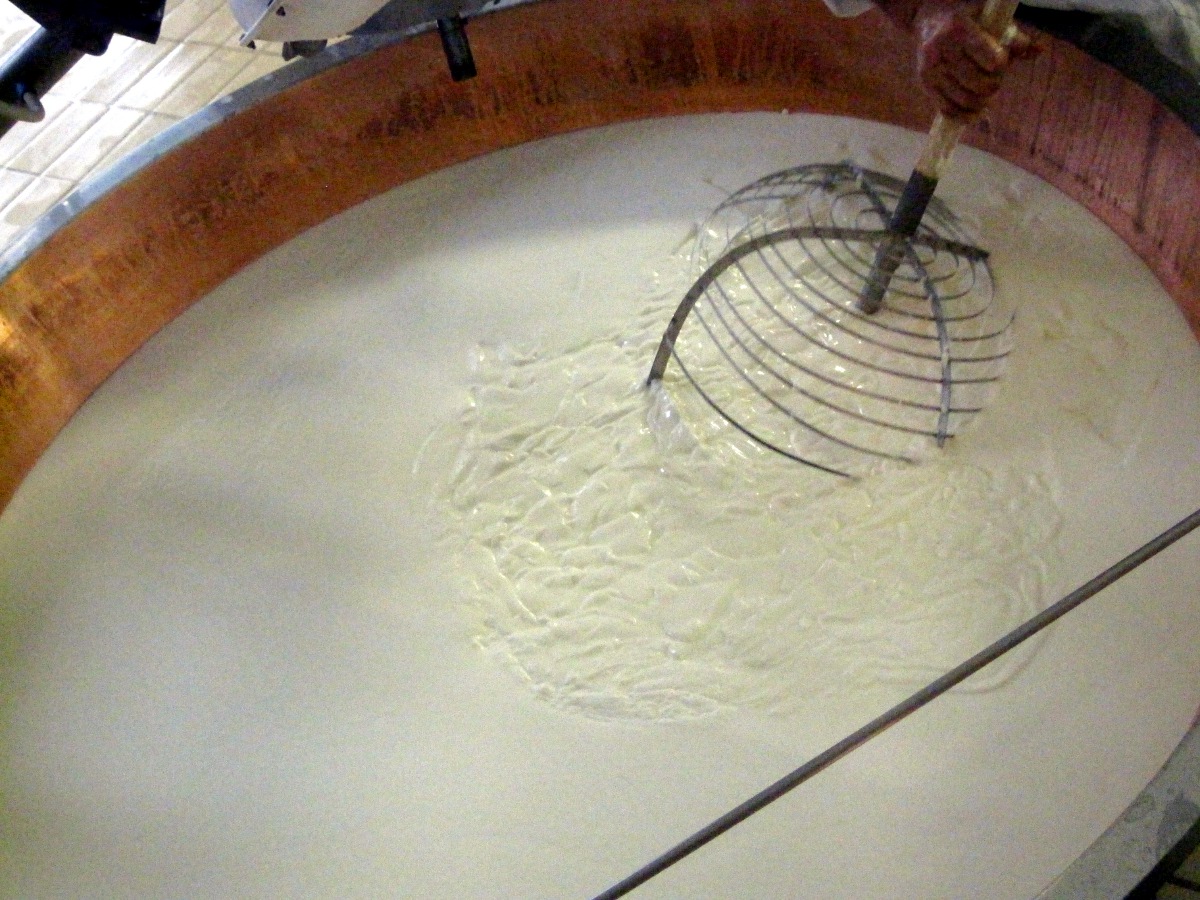
Each morning, the copper vats are filled with a 50/50 mix of skim and whole cow milk. The cows themselves are fed a special diet of fresh grass, hay and grains as regulated by the consortium. Fermented whey starter from the day before is added to the milk, along with natural animal rennet. Each cauldron contains about 1,100 liters of milk, and since the milk is sourced from different farms, batches of milk are separated from each other in case there is a problem with milk from one place in particular.
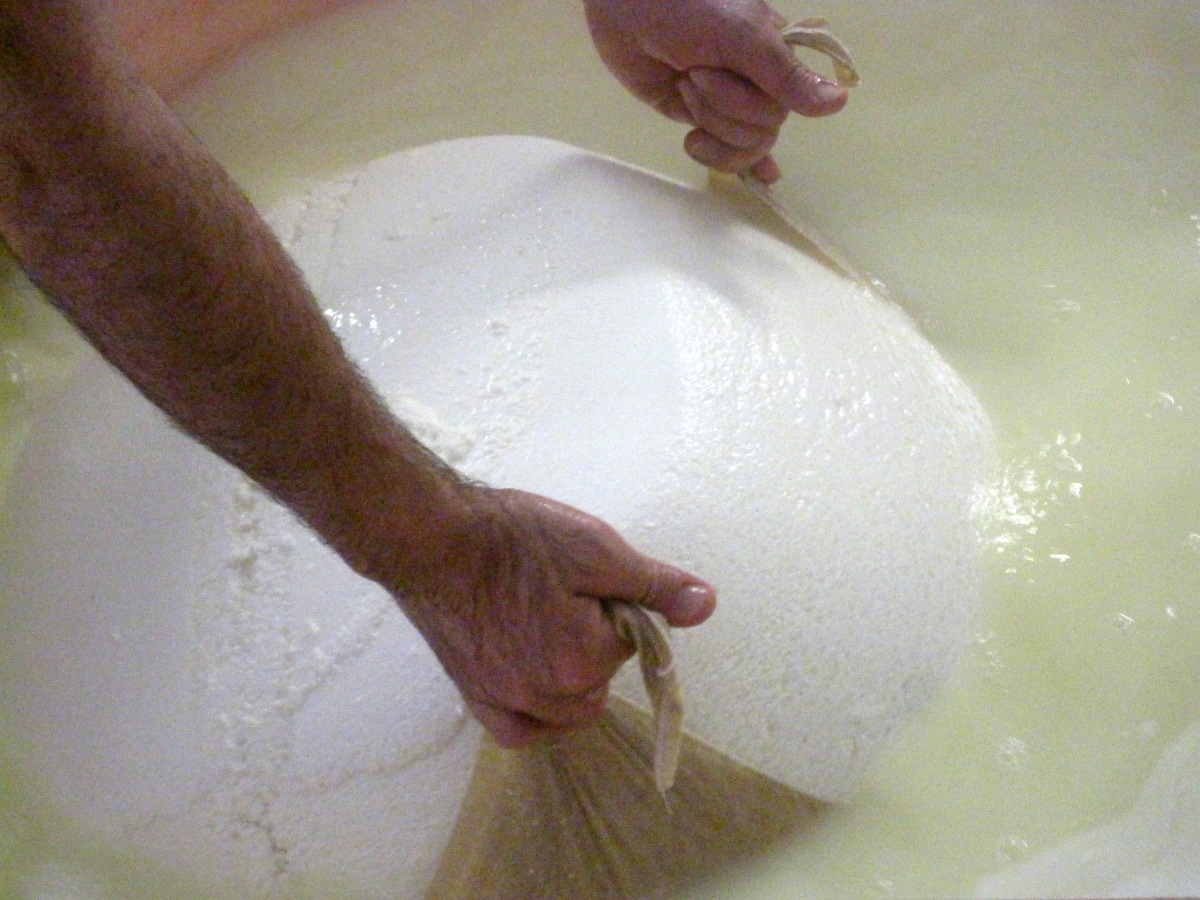
After the milk coagulates, the cheese curds are gathered and shaped in sheets of cloth. Working with a partner, the cheesemakers tug and shape the cheese into a bouncy, smooth pillow.
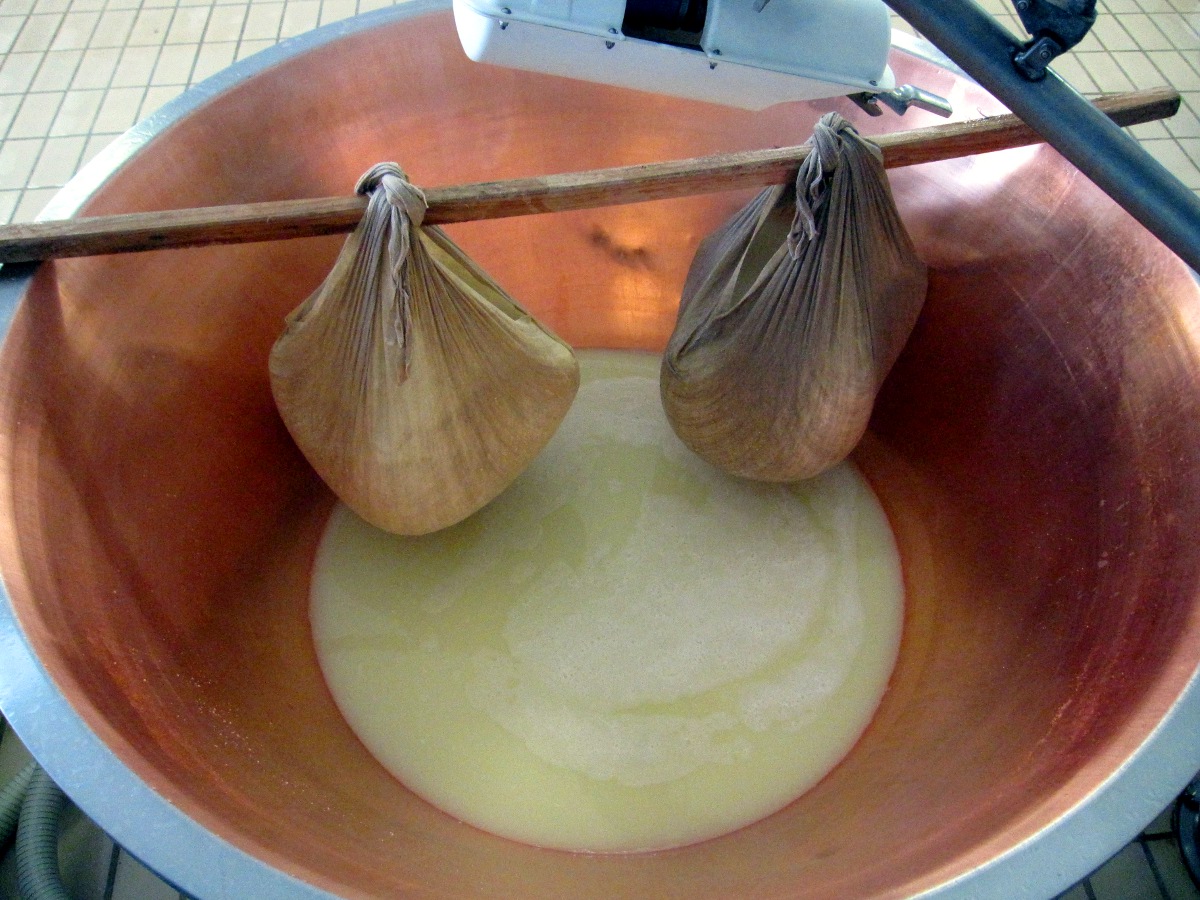
The vat is drained of whey, which will be used to make ricotta or fed to pigs. (In Italy, pig farms are commonly located near cheese producers, though leftover whey is arguably not the best feed for producing high-quality pork meat.) The cheese balls are tied to a wooden pole and left to drip dry for a little while. Next, they will be transferred to convex basket molds for shaping and compressing. Each fresh cheese wheel weighs 45-55 kg, and will lose 10% of its weight after aging.
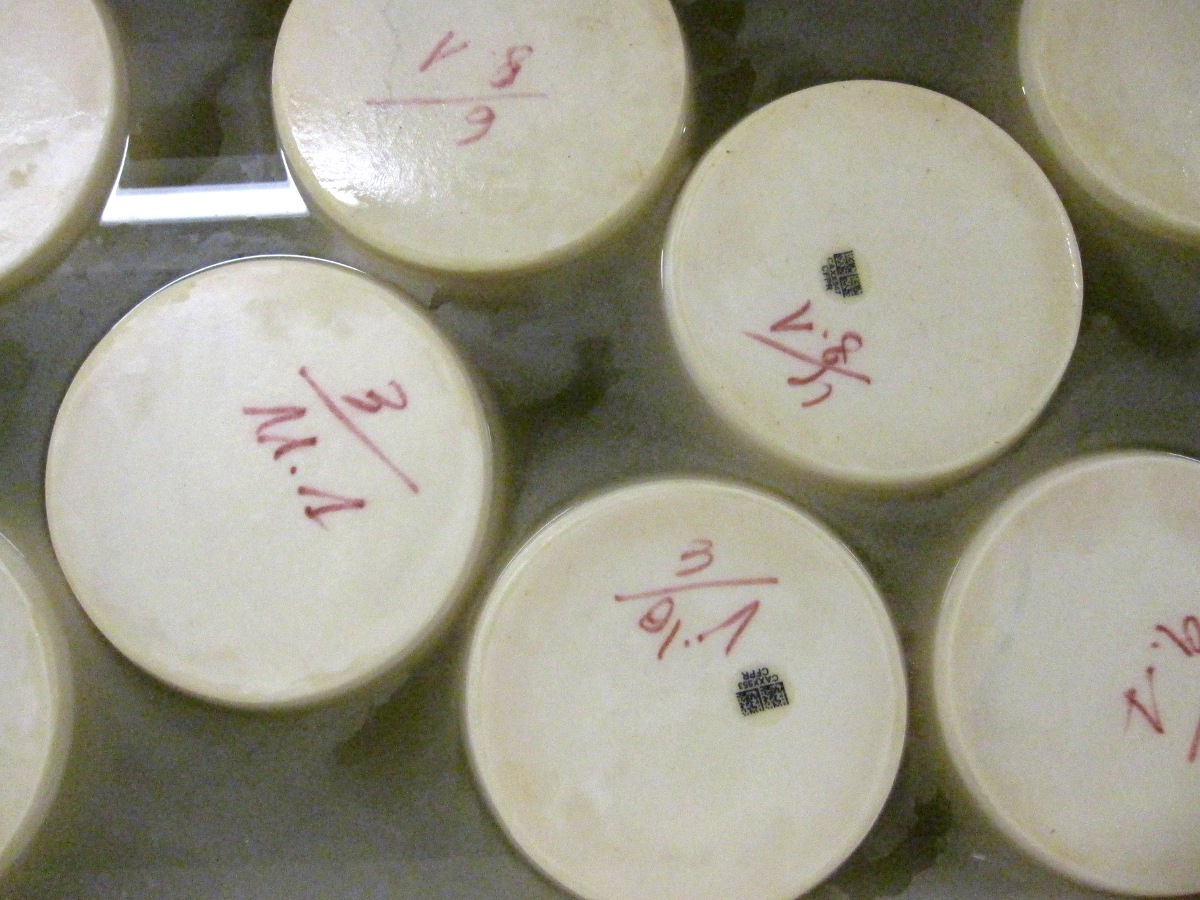
Once the wheel of cheese has been formed, it goes into a brine bath. For the next 25-30 days, sea salt will slowly penetrate the outer surface of the wheel. The osmosis works slowly, and only the first 2-3 cm of the cheese’s surface will absorb any salt from the brine bath. But not to worry, the salt will continue working its way into the cheese, reaching the center after about 7 or 8 months of aging. Do not crack open or expose the cheese to air before this time, because the unsalted center will likely spoil.
The brine bath itself is canal of yellow-grey salt solution, laced with fat and whey. Every 2 to 3 months, the brine gets changed.
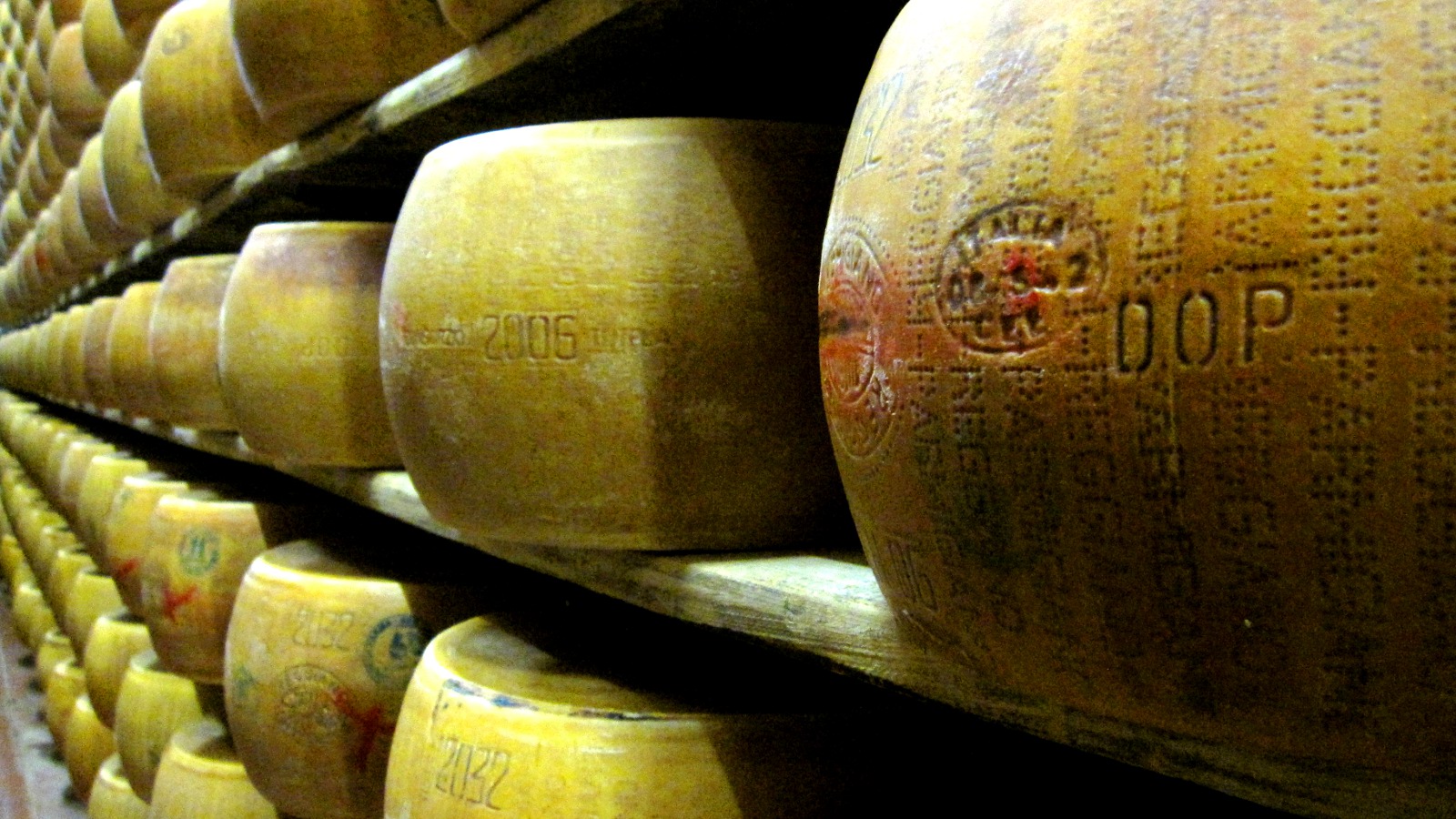
To label each wheel, a plastic stencil is wrapped around the cheese, imprinted with the text “parmigiano-reggiano” and codes to indicate the cheese’s provenance and date of production. A large blank space is left for the addition of the consortium logo, if the cheese is approved for sale as authentic parmesan. In 2000, barcodes made out of casein were also introduced to make tracking the cheeses easier.
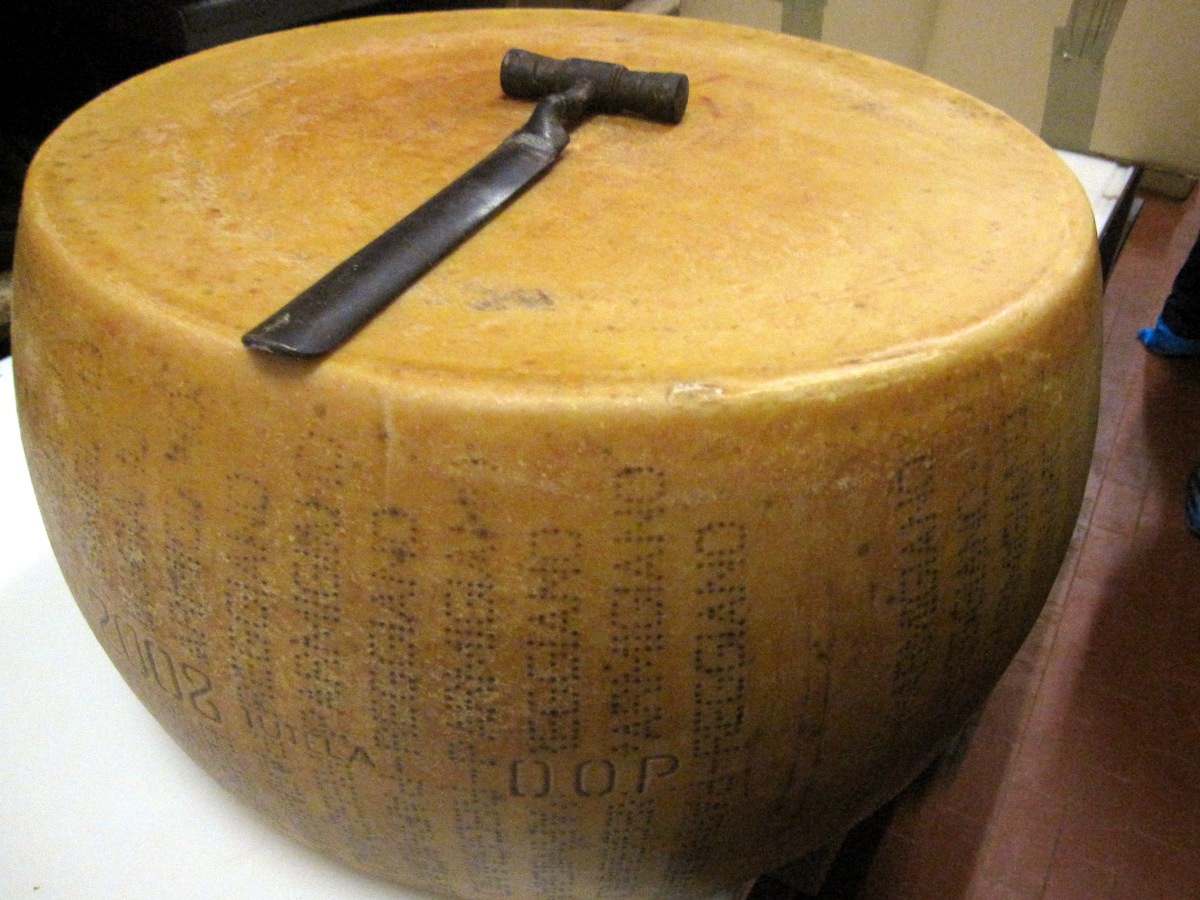
At about 9 months of aging, the cheese can be tested. Using a small, metal hammer, the wheel is tapped all over its surface. If there are imperfections, they will be detected through the tapping. Assuming the wheel passes inspection, it will then be decorated with the official consortium logo. If the cheese is found to be defective, it can be sold as parmesan mezzano, a lower grade of cheese. Surprisingly, there is lots of demand for second-tier parmesan in Italy.
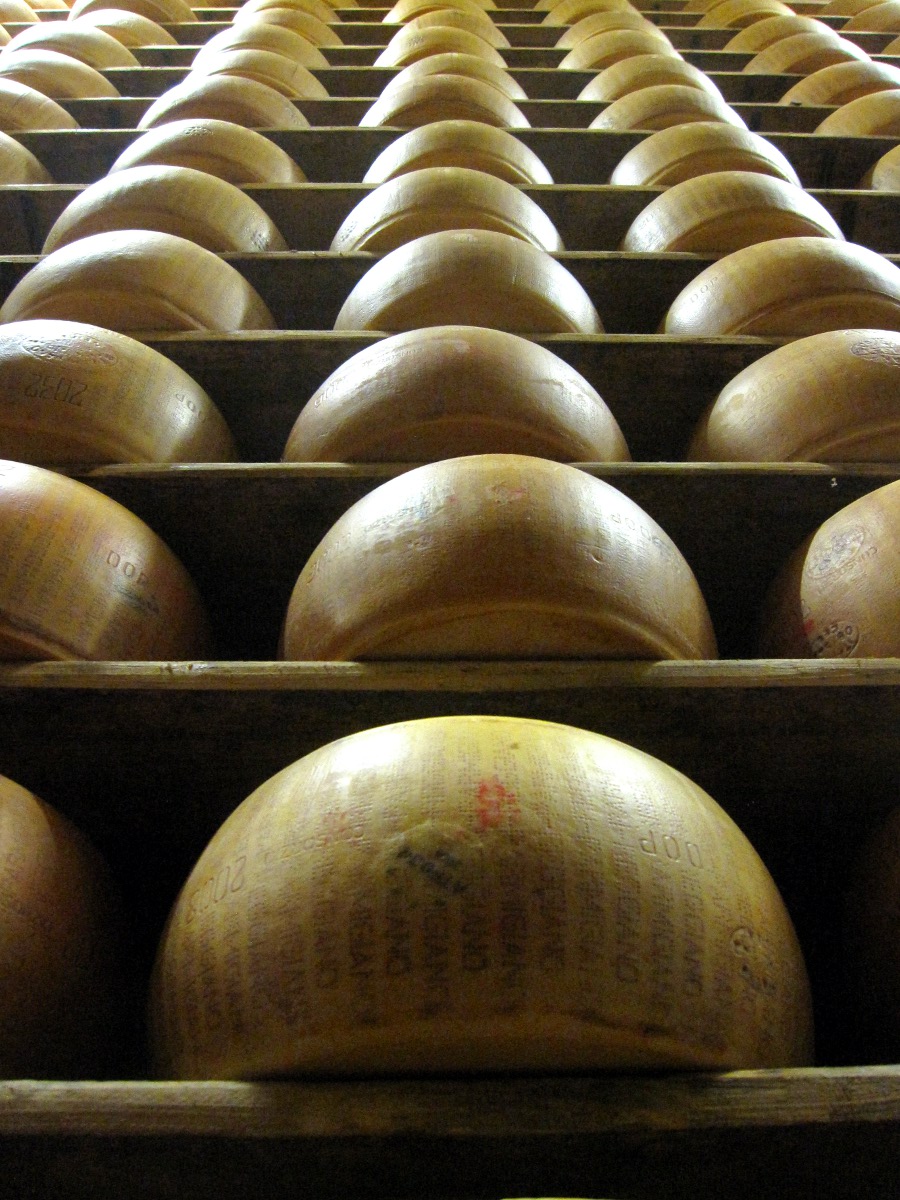
Parmigiano can be sent to the aging warehouse for the consortium, if the producer doesn’t want to keep it on site. Inside the bowels of the warehouse, the shelves buckled with wheel after wheel of cheeses. I did some mental math, and calculated that this building houses over 120,000 cheeses when fully stocked, an inventory valued at about €3 million at retail prices!
[youtube=http://www.youtube.com/watch?v=3gTZiXjN3-g]
To flip the cheese wheels, a robot is used to remove each wheel from the shelf, spin it against stiff brushes for cleaning, and then rotate the wheel and set it down on the opposite side. Seeing the mechanical solution prompted some of my classmates to remark that it takes some of the romance out of cheesemaking, but I was personally mesmerized by the hum of the motorized brushes.
Now, if only I could lug a wheel home with me. Party idea: use the leftover rind as a giant pasta bowl.